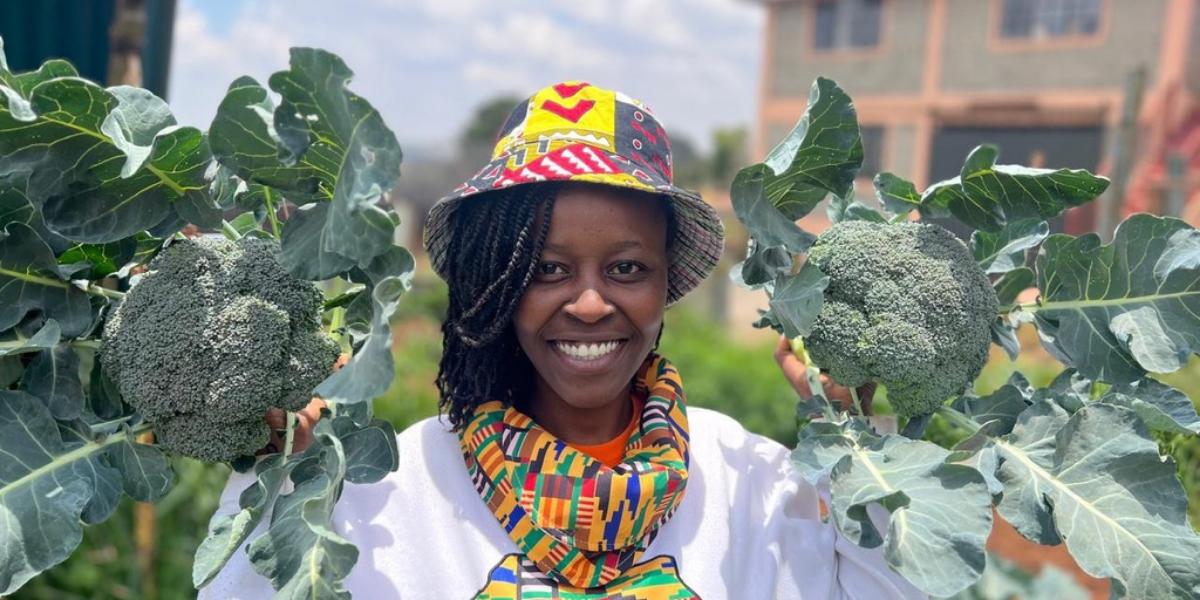
Across Africa, women produce an estimated 60–80% of the food consumed at the household level. Yet despite their central role in food production, women farmers often face limited access to land ownership, agricultural inputs, financing, and formal training.
Closing this gap is not merely a matter of equity — it is a strategic imperative for food security.
Research consistently shows that when women have equal access to resources, farm productivity increases significantly. Even modest improvements in land rights, credit access, and agricultural education can lead to measurable gains in household nutrition and income stability.
Why does this happen?
Because women’s agricultural labor is deeply connected to household wellbeing. Increased productivity directly translates into improved child nutrition, school attendance, and health outcomes. Income earned by women is more likely to be reinvested in family needs and community resilience.
However, barriers remain systemic. Customary land tenure systems often restrict ownership. Financial institutions may require collateral women do not possess. Extension services frequently target male farmers first, unintentionally reinforcing inequality.
Empowerment models must therefore be intentional.
Effective strategies include:
• Community-based organic agriculture training accessible to women
• Savings and cooperative models that increase financial inclusion
• Leadership development programs that strengthen decision-making roles
• Support for value-added enterprises such as seed saving, herbal products, and small-scale processing
Organic farming education is particularly impactful for women farmers because it reduces dependency on costly chemical inputs. Composting, botanical pest control, and diversified cropping systems allow women to farm sustainably with locally available resources.
When women lead in regenerative agriculture initiatives, the benefits ripple outward — strengthening local food supply chains and enhancing biodiversity.
At Paradise Natural Living Society, women’s participation is foundational. Our training programs prioritize inclusive access, recognizing that sustainable food systems cannot be built without empowering those who already carry much of the agricultural burden.
For corporate and private donors seeking measurable, community-centered impact, investing in women farmers yields some of the highest social returns available in development work. It strengthens food security at its source.
Africa’s food future is not an abstract concept. It is cultivated daily by women working fields, tending gardens, managing markets, and feeding families. Supporting them is not optional — it is essential.