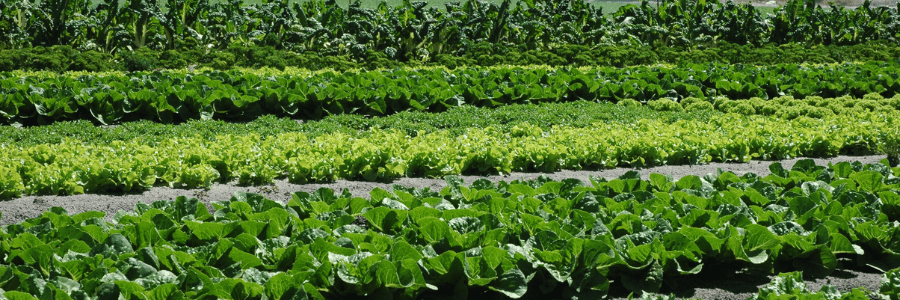
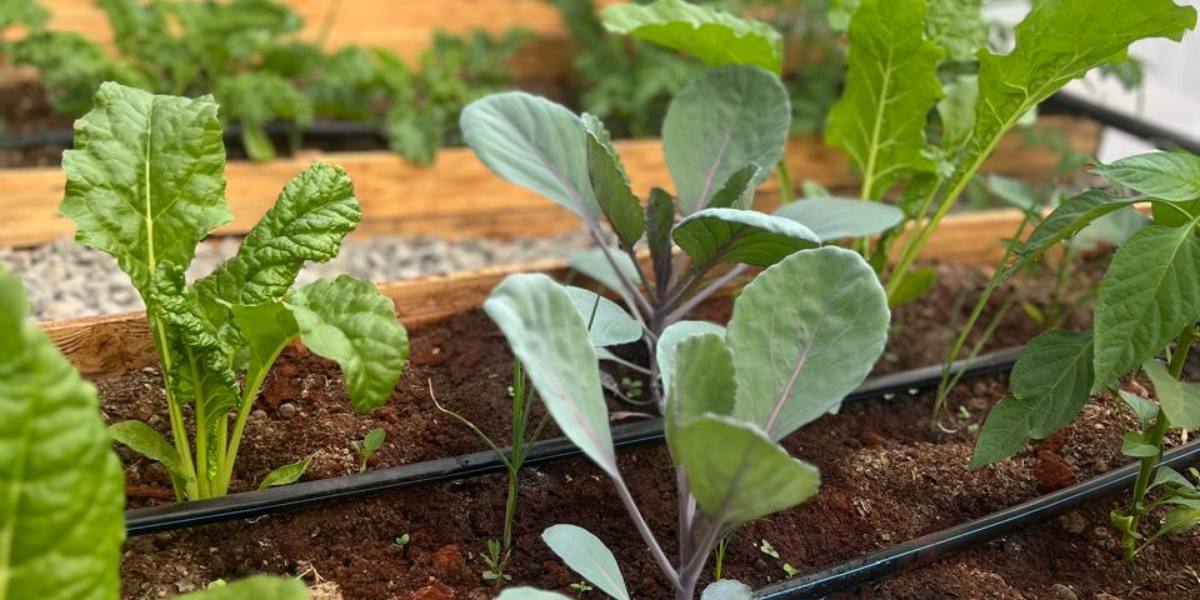
When people think of infrastructure, they often picture roads, bridges, or power grids. Yet in many African communities, one of the most powerful forms of infrastructure is far more organic: community food gardens.
Food gardens are not simply plots of land. When structured intentionally, they function as localized food security systems. They reduce dependency on distant supply chains, stabilize nutrition during economic shocks, and create spaces where knowledge transfer happens naturally across generations.
Across sub-Saharan Africa, smallholder farmers produce nearly 70% of the food consumed locally. However, increasing climate variability, land fragmentation, and rising input costs have made individual farming more vulnerable. Community-based growing models offer resilience by pooling land, labor, and shared expertise.
A well-designed community garden does more than produce vegetables. It integrates:
• Organic soil regeneration practices
• Water harvesting and conservation systems
• Indigenous seed preservation
• Nutrition education
• Youth and women leadership training
This layered model transforms gardens into living classrooms and economic incubators.
From a food systems perspective, localized production shortens the distance between harvest and household consumption. This improves nutrient retention and reduces spoilage. Families gain access to diverse crops — leafy greens, legumes, root vegetables, herbs — strengthening dietary diversity and reducing micronutrient deficiencies.
From an economic standpoint, surplus produce can be sold within local markets, generating income that stays within the community rather than flowing outward through imported food purchases. Even small garden-based enterprises can stabilize household finances during inflationary periods or crop failures elsewhere.
Perhaps most importantly, community gardens rebuild agency. Instead of waiting for external aid during shortages, communities develop their own capacity to respond.
At Paradise Natural Living Society, community gardens serve as training hubs for regenerative agriculture, youth engagement, and practical nutrition education. They are demonstration sites where sustainable techniques are modeled in real time — composting, crop rotation, natural pest management — ensuring that ecological principles become lived practice.
For donors seeking scalable, measurable impact, community food gardens represent high-leverage investment. The returns are multidimensional: improved nutrition, strengthened social cohesion, climate resilience, and grassroots economic stability.
In a world of increasingly fragile global food systems, local gardens are not symbolic. They are structural. And when communities grow together, resilience becomes rooted in the soil itself.