Africa is home to the world’s youngest population. By 2030, nearly half of the global youth population will live on the continent. This demographic reality presents both an immense opportunity and a critical challenge: how to equip young people with the knowledge and skills necessary to build sustainable livelihoods while strengthening food security across their communities.
Agriculture remains Africa’s largest employer, yet many young people view farming as outdated, unprofitable, and disconnected from modern aspirations. This perception has contributed to increasing rural-urban migration, leaving farming populations aging and food production systems under strain.
Education is the key to changing this narrative.
When agriculture education is designed to be practical, innovative, and empowering, it transforms how young people see their future. Instead of viewing farming as subsistence labor, they begin to recognize it as a pathway to entrepreneurship, environmental stewardship, and community leadership.
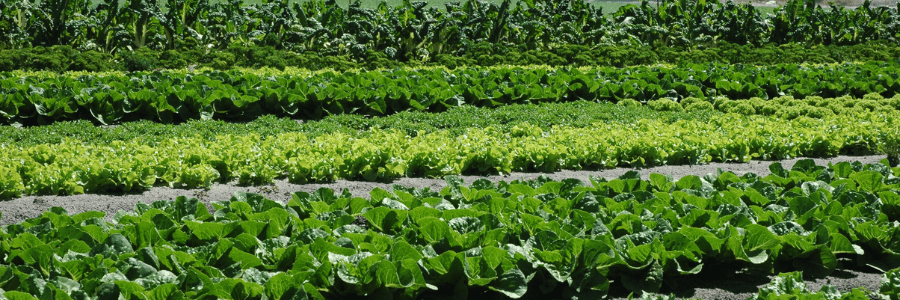
Effective agricultural education models combine three essential elements: hands-on learning, ecological knowledge, and business training. Students who participate in school gardens, organic farming workshops, and community agriculture projects develop tangible skills that connect theory to real-world application. They learn not only how to grow food sustainably, but also how to market products, manage resources, and collaborate within community networks.
Equally important is the integration of environmental awareness into agricultural training. Climate change poses a significant threat to Africa’s food systems, making it essential that future farmers understand sustainable land management, water conservation, biodiversity protection, and regenerative practices. Education programs that emphasize these principles prepare youth to become innovators in climate-resilient agriculture.
The social impact of youth agricultural education extends far beyond food production. Participation builds confidence, leadership abilities, and a sense of purpose. Young people who gain practical skills are more likely to remain engaged in their communities, contribute to local economies, and support household food security.
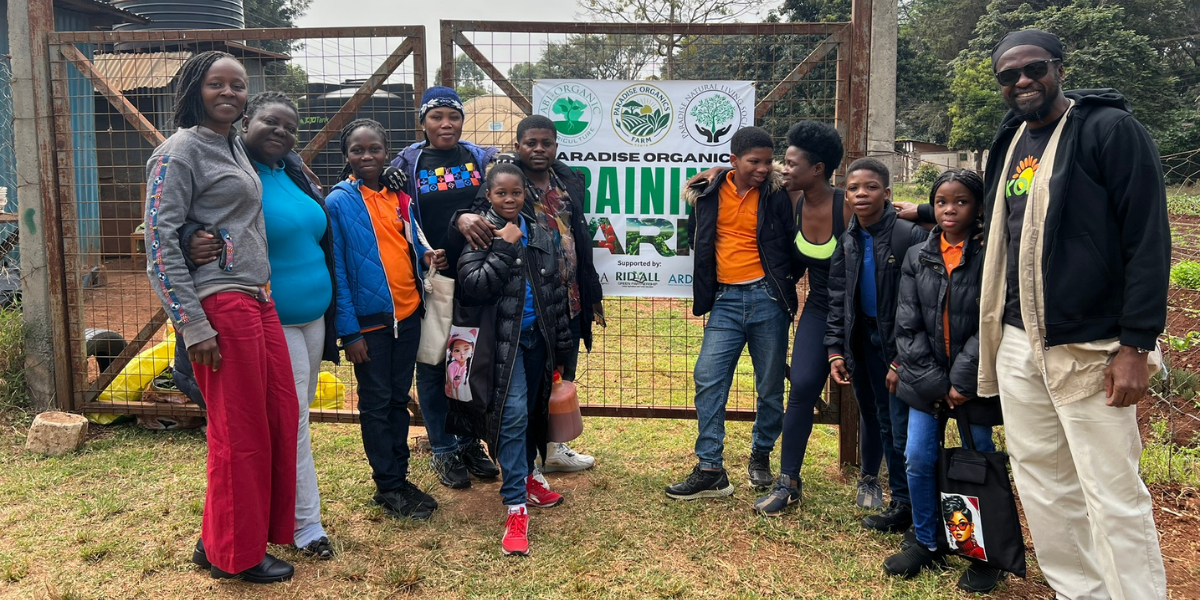
At Paradise Natural Living Society, youth empowerment is a cornerstone of our work. Through community training programs, organic agriculture workshops, and nutrition education initiatives, we equip young people with the tools they need to become stewards of both land and community wellbeing.
Africa’s future food security depends not only on what we grow, but on who we empower to grow it. By investing in youth agricultural education today, we are cultivating a generation capable of building resilient, sustainable, and prosperous food systems for tomorrow.